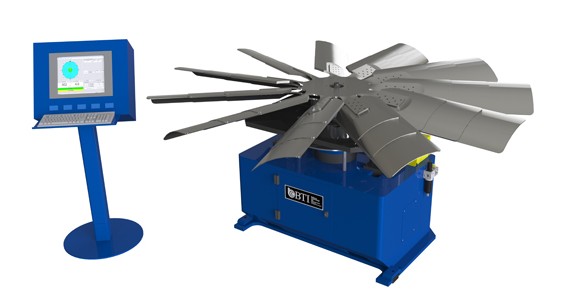
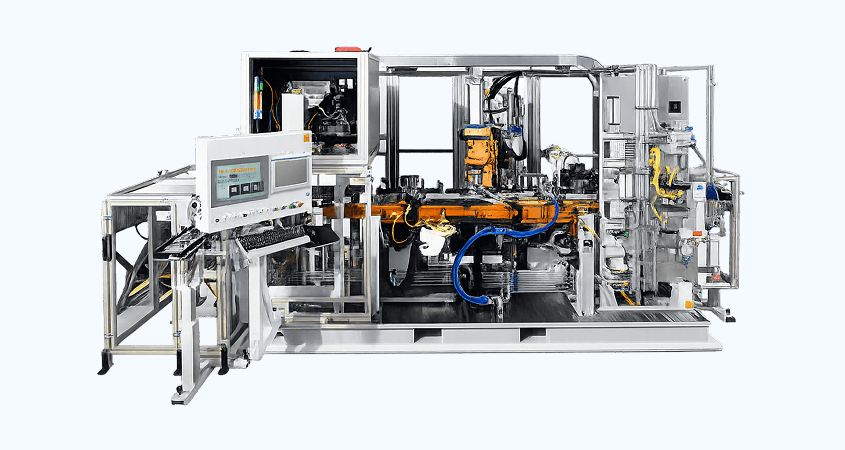
BTI has the unique ability to combine multiple technologies into one fully integrated system
A combination machine performs two or more measurement or correction operations on a part in a single automated cycle, on a single fixture, under a single part number and a single data record. Instead of balancing a rotor on one machine, carrying it to a gage on another, and crack testing it on a third, the part is loaded once and leaves finished and fully documented.
Balance Technology has built combination machines since the 1970s, and they are the clearest expression of what we do differently from suppliers who sell one technology out of a catalog. Because we design and build the balancers, the gaging systems, the crack detection systems and the test stands ourselves, we can put them on one base, drive them from one control system, and hold them to one datum scheme. That is much harder to do when the stations come from three different vendors.
Why Manufacturers Combine Operations
The argument for a combination machine is almost always some mix of four things.
Capital cost. Three standalone machines means three bases, three control cabinets, three HMIs, three sets of guarding, three safety circuits and three load stations. Combining operations eliminates most of that duplication. The machine is more complex than any one of the three, but it costs meaningfully less than the sum of them.
Floor space. In most plants we work in, floor space is the binding constraint long before capital is. A combination machine occupies one footprint and needs one operator position, one guarded envelope and one maintenance access path.
Part handling. Every transfer between machines is an opportunity to drop a part, nick a journal, mix up a lot, or lose the orientation you established in the previous operation. Handling is also labor. Combining operations removes transfers, which removes both the scrap risk and the labor.
Traceability. When a crankshaft is balanced on one machine and gaged on another, you have two data records that have to be married together by serial number, and that marriage is often done in a spreadsheet or not at all. A combination machine produces one record per part containing every result, which makes quality investigations far faster and makes the data actually useful for process control.
Technologies We Combine
Any of the following can be stations on a combination machine, and most of our combination builds include three or four of them.
- Balancing — unbalance measurement with automatic correction by drilling, milling, grinding, punching, riveting or weight placement.
- Dimensional gaging — diameters, lengths, runout, concentricity, perpendicularity, taper and form, measured comparatively against a master.
- Mass centering — locating and machining the true mass axis of a forging so subsequent operations start from the axis the part will actually spin about.
- Eddy current crack detection — surface and near-surface flaw detection on machined and ground surfaces.
- Surface finish measurement — roughness parameters on journals, seal surfaces and sealing lands.
- Resonant frequency measurement — acoustic or impact response used to find internal defects, verify material condition, or confirm heat treat.
- NVH testing — noise, vibration and harshness measurement on assembled rotating products.
- Functional and specialized testing — torque-to-turn, backlash, end play, leak, high-speed spin, motor performance and destructive testing.
- Shaft straightening — runout correction by press or peening, closing the loop with the runout the gage station just measured.
Combinations We Build Most Often
Balance plus dimensional gage. The most common request we see. The part is measured for unbalance and for the critical diameters and runouts in the same cycle. Gaging results are frequently used to reject the part before the balance correction is wasted on it.
Gage plus crack detection. Common on machined rings, gears, hubs and rotor components where the dimensional inspection and the flaw inspection would otherwise be two separate cells. Both operations want the part rotating on a precise axis, so they share the spindle naturally.
Balance plus crack detection. Used on flywheels, clutch components, brake rotors and similar discs. The balancer already spins the part on a repeatable axis; adding eddy current heads to that spindle is a small increment of hardware for a whole additional inspection.
Gage, straighten, re-gage. A closed-loop cell for shafts, armature and rotor stacks: measure runout, calculate the correction, straighten, and verify. The verification is the reason the cell exists, and it only works if the measurement and the correction share a datum.
Mass center plus balance. For crankshafts and similar forgings, where locating the mass axis first dramatically reduces the correction the balancer has to make and keeps the counterweights within their machining envelope.
Assembly plus test. Where a press, retaining ring insertion or a fastening operation feeds directly into a balance or functional test stand, so an assembly defect is caught in the same cycle that created it.
One Fixture, One Datum Scheme
This is the part that separates a real combination machine from three machines bolted to a common bedplate.
Every measurement is made relative to something. If your balance station indexes the part on its bearing journals and your gage station indexes it on a pilot diameter, the two stations are describing two different parts, and the numbers they produce cannot be reconciled when something goes wrong. Worse, an operation that corrects the part — drilling, straightening, grinding — is correcting it relative to whatever axis the correction station holds it on, which may not be the axis the customer cares about.
When we design a combination machine, the datum scheme comes first and the station layout comes second. We work from the print, identify which features are the functional datums, and build the fixture so that every station either uses those same datums or has a defined, characterized relationship to them. If the part drawing uses geometric dimensioning and tolerancing, the datum references on that drawing are what the fixture is built to simulate.
The payoff is that results from different stations are directly comparable, and a correction made at one station can be verified at another without an argument about whose axis was right.
How Stations Are Arranged
There are three practical layouts, and the right one is set by cycle time and part size.
Single station, sequential operations. The part is loaded once and stays put while different tooling comes to it. Simplest, smallest, and the best choice when the combined cycle still fits the takt time. Also the easiest layout to hold a single datum scheme, because there is only one fixture.
In-line transfer. Stations in a row with the part indexed from one to the next. Each station works on a different part simultaneously, so throughput is set by the slowest station rather than the sum of all of them. Requires that the transfer preserve or re-establish part orientation.
Rotary dial. Stations arranged around an indexing table. Compact for its throughput and well suited to smaller parts with four to eight operations. Load and unload can share a station or occupy separate ones.
For heavier parts, or where the operations have very different cycle times, we sometimes recommend two machines rather than one. Balancing a part in twenty seconds and then holding it for a ninety-second leak test means the balancer sits idle two thirds of the time. Combination is a design choice, not a doctrine.
One Data Record Per Part
A combination machine writes a single record containing every result for that serial number: unbalance before and after correction, correction amounts and locations, each gaged dimension, crack detection pass or fail and signal amplitude, surface finish parameters, test results, timestamps and operator or shift identification.
That record can be written to a local database, exported to your plant systems, or pushed over the network to a quality data system. Because it is one record rather than three, trend analysis across operations becomes straightforward: you can ask whether the parts that fail crack detection also show a particular dimensional signature, and get an answer in an afternoon rather than a project.
Machines are typically supplied with a PC-based control system. When an older BTI combination machine needs current operating system support, networking, or modern data export, that is usually a PC upgrade rather than a new machine.
When a Combination Machine Is the Wrong Answer
We would rather tell you this before you buy one.
Combination machines are less flexible than standalone machines. If two of the operations serve different part families with different volumes, splitting them lets each run to its own schedule. If one station goes down for maintenance, the whole machine is down, where three standalone machines would leave you running at two thirds capacity. And if your operations have wildly mismatched cycle times, combining them wastes the capacity of the fast stations.
The cases where combination clearly wins are: high volume on a stable part family, operations with comparable cycle times, measurements that benefit from sharing a datum, and a plant where floor space is scarce. Most of the machines we build fit that description, but not all applications do.
What We Need to Design One
A useful conversation about a combination machine starts with:
- Part drawings, including the datum scheme and the tolerances that matter
- The operations you want combined, and the specification each one is held to
- Part weight, maximum diameter and length, and the range across the family
- Required throughput in parts per hour, and the takt time you have to hit
- Correction method, if the part is to be corrected rather than only measured
- How parts arrive and leave — manual load, conveyor, robot, dunnage
- Available floor space, ceiling height, utilities, and any plant standards for controls
- Data requirements: what has to be recorded, where it has to go, and in what format
From that we can tell you honestly whether one machine is the right answer, and what it would look like.
Related Equipment
Combination machines are assembled from the same technologies we build as standalone equipment: balancing machines, dimensional gaging systems, eddy current crack detection systems, surface measurement systems, resonant frequency measurement systems, NVH and specialized testers, shaft straighteners and automated assembly systems.
Frequently Asked Questions
How many operations can one machine perform?
We have built machines with as few as two stations and as many as eight. The practical limit is set by cycle time and by how many distinct fixtures the datum scheme can tolerate, not by a hardware ceiling.
Does combining operations hurt accuracy?
No, and it frequently helps. Each station uses the same measurement hardware it would use standalone. The accuracy gain comes from eliminating the refixturing between operations, since refixturing is often the largest single contributor to measurement variation in a multi-machine process.
Can you combine measurement with correction?
Yes. Most of our combination machines both measure and correct — balancing with automatic drilling or milling, straightening after runout measurement, mass centering before machining. Correction followed by verification in the same cycle is one of the strongest reasons to combine.
Can a combination machine handle more than one part number?
Yes, with tooling changeover and stored part programs. How quickly it changes over depends on how similar the parts are. Parts within a family that share a datum scheme can often change in minutes; parts that need a different fixture take longer.
Can you add a station to a machine we already own?
Often, yes. Adding crack detection to an existing balancer, or gaging to an existing test stand, is a common rebuild and retrofit project. We also retrofit machines built by other manufacturers.
Who supports the machine?
We do, directly. Because every station was designed and built by Balance Technology, support is one phone call rather than a negotiation between vendors about whose subsystem caused the problem. That single point of responsibility is, for a lot of our customers, the real reason they combine.
With combination equipment, there is no need for costly conveyors and escapements to connect independent machines together; nor do you need to train operators on multiple machines. You are working with one seamless, easy-to-use operator interface with unprecedented networking, statistical, and diagnostic capability.
Whether you need a fully integrated, combined technology system (e.g., a balancer/gage/NVH combo) or independent machines, let our team of mechanical, electrical, and software engineers design and build a configured-to-order system for you.
If you don’t see the product you are looking for, or have specific questions, please contact us.
Other solutions
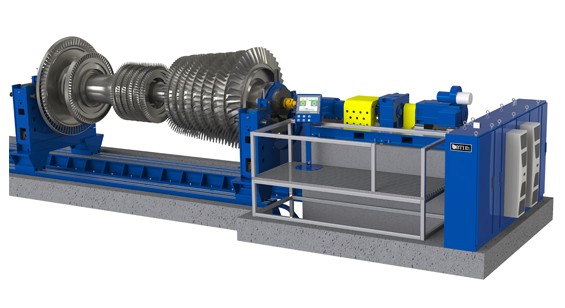
200,000 lb Capacity Horizontal Balancer for Steam and Gas Turbines
200,000 lb Capacity Horizontal Balancer for Steam and Gas Turbines
View More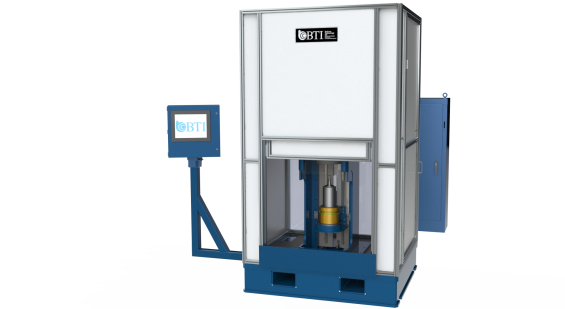
30,000 rpm Automatic Spin Tester for Induction & Permanent Magnet Electric ...
30,000 rpm Automatic Spin Tester for Induction & Permanent Magnet Electric Vehicle Rotors.
View More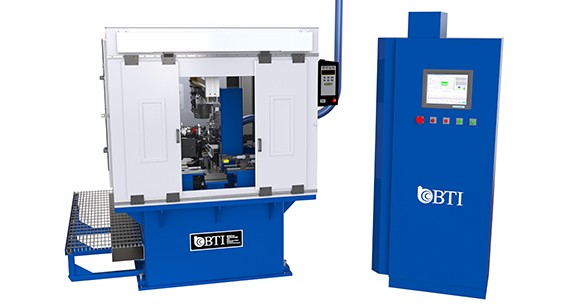
300,000 RPM Turbo Charger Balancer, Wheel Milling
Fully-Automatic 300,000 rpm High Speed Turbo Charger Assembly Balancer with Automatic Compressor Wheel Milling & Drilling Correction. Featuring Servo Controlled Air Drive System, Oil...
View More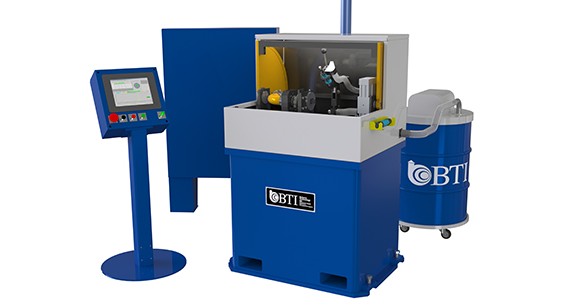
300,000 rpm Turbo Charger Core Assembly 2 Plane Balancer
4,000 to 300,000 rpm Low and High Speed Turbo Charger Core Assembly 2 Plane Balancer with Touch Up Grinder, Featuring Pulsation Measurement & “G”...
View More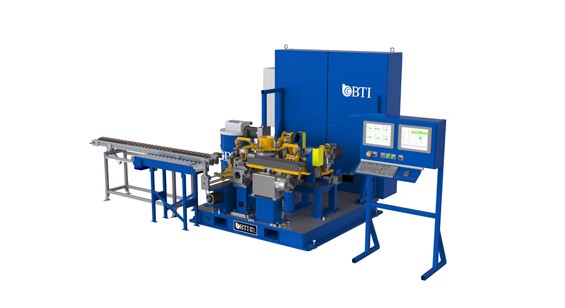
5-Station Armature Balancer with 2 Plane Contour
6-Second (600 part per hour) Fully Automatic 5-Station Armature Balancer with 2 Plane Contour or V-Cut Mill Correction
View More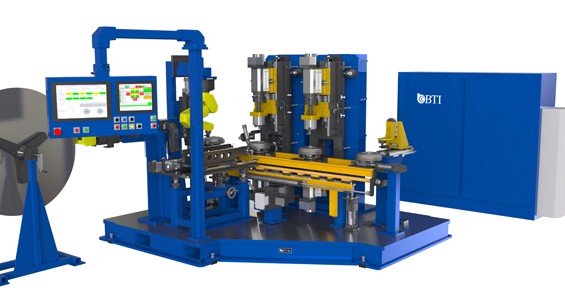
5-Station Torque Convertor Assembly Balancer
Fully Automatic 5-Station Torque Convertor Assembly Balancer with Automatic Variable and Fixed Length Weight Making and Weld Correction, featuring Automatic Walking Beam Transfer, Oil...
View More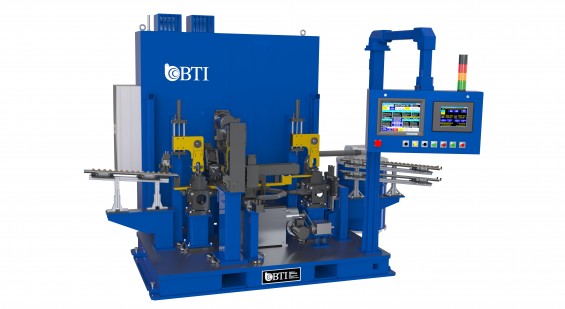
6-Station Armature Balancer w/ Axial Drill Correction
220 Part Per Hour Fully-Automatic 6-Station Armature Balancer Featuring Dual Axial Drill Correction, Walking-Beam Transfer, Overhead Belt Drive and Part Sorting
View More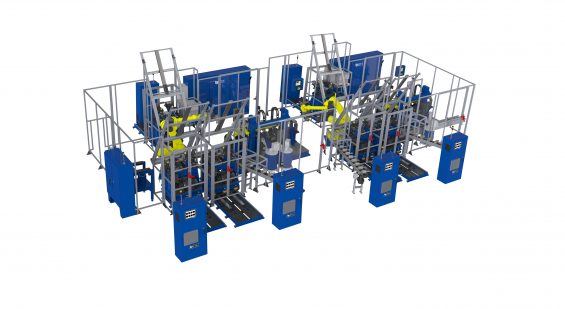
Induction & Permanent Magnet Rotor Cell
Automated Induction & Permanent Magnet Electric Rotor Cell Featuring two 6-Station balancers, six 30,000 rpm Automatic Spin Testers and Four Robots
View More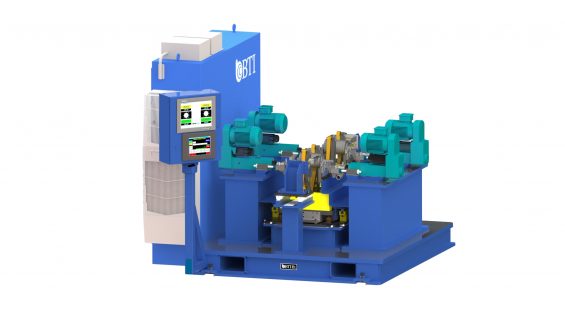
Automatic 2-Station Induction Balance Solution
Automatic 2-Station Induction & Permanent Magnet Electric Rotor Cell Featuring two Independent Balance Stations, Dual Drills on Each Station, Scissor […]
View More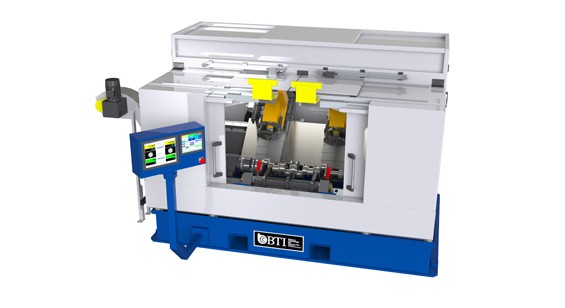
Automatic Crankshaft Balancer with Dual Servo MQL Drill Correction
Fully Automatic Crankshaft Balancer with Dual Servo MQL Drill Correction and Overhead Gantry Load Screen reader support enabled. Fully Automatic Crankshaft Balancer with Dual...
View More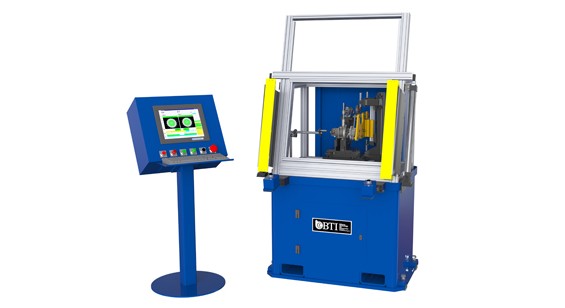
Low Speed Turbo Charger CHRA Assembly Balancer
Automatic Low Speed Turbo Charger CHRA Core Assembly Balancer with Dual Drive Technology, Featuring both Belt and Servo Controlled Air Drive Systems as well...
View More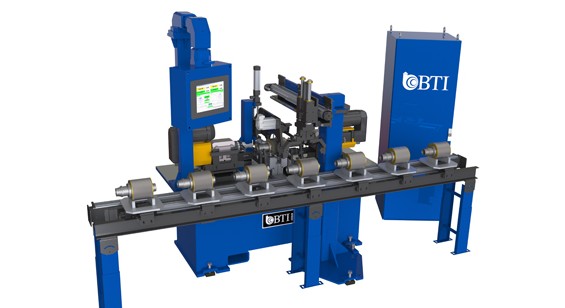
Automatic Permanent Magnet Rotor Balancer
Fully Automatic Permanent Magnet Rotor Balancer, featuring Automatic 2-Plane Axial Drill Correction, Pneumatic Pick and Place Transfer, and Palletized Part Conveyance
View More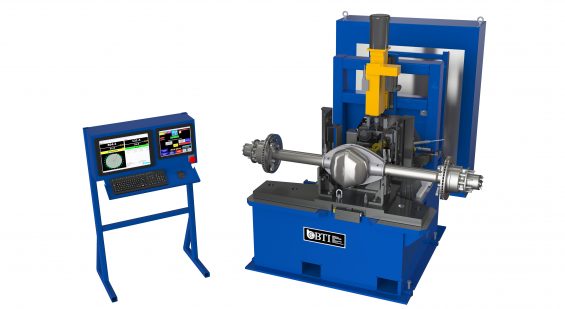
Automatic Rear Axle Balancer With Automatic Drill Correction
1000 lb Fully Automatic Rear Axle Balancer Featuring Automatic Drill Correction and Part Marking
View More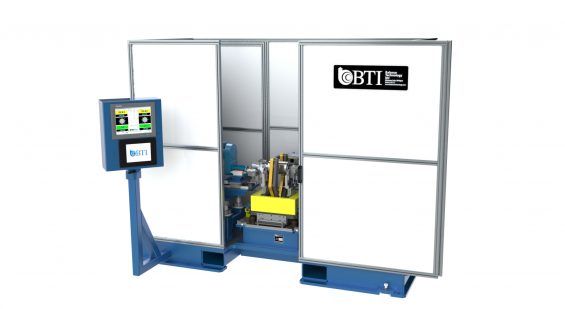
Automatic Single Station Induction & Permanent Magnet Electric Rotor Cell F...
Automatic Single Station Induction & Permanent Magnet Electric Rotor Cell Featuring Dual Drills and Scissor Belt Drive
View More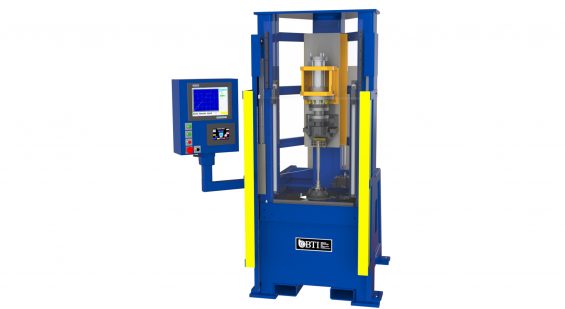
Automatic Torsional Test Stand for Steering Column Tulip Assemblies.
Automatic Torsional Test Stand for Steering Column Tulip Assemblies.
View More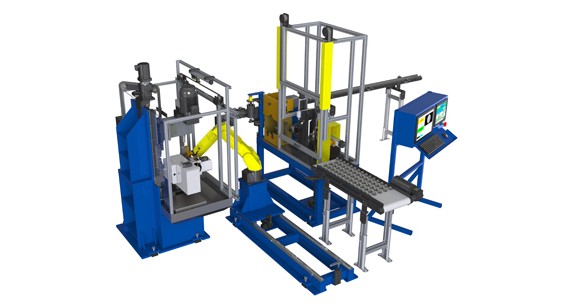
Automatic Turbo Charger Compressor Wheel
Fully Automatic Turbo Charger Compressor Wheel Cell Featuring Automatic 2-Plane Mill Correction, Dimensional Gaging, Eddy Current Surface Defect Detection, 2D Laser Marking, Robotic Part...
View More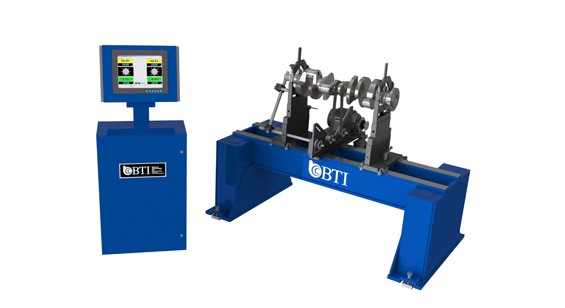
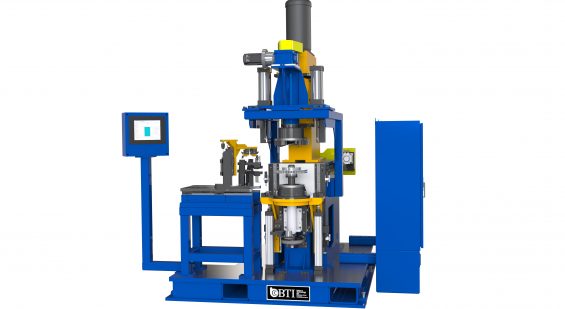
Balancer with Elevator Mill Correction Station
Single station Brake Rotor Balancer with Elevator Load/Unload and Onboard BTI Mill Correction Station. Featuring Dimensional Gaging of Key Attributes such as Flatness, Parallelism,...
View More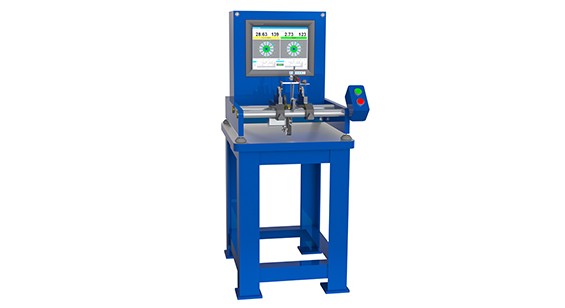
Bench-top Horizontal Balancer for Measuring Unbalance
Bench-top Horizontal Balancer for Measuring Unbalance of Computer Hard Drive Disc Reader Heads
View More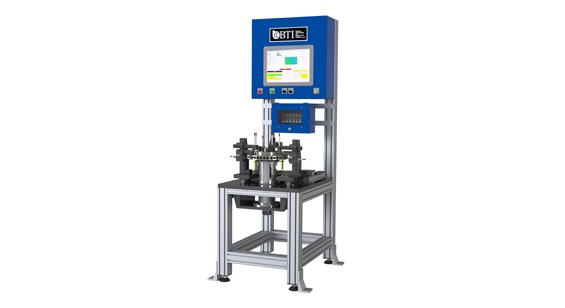
Brake Rotor Bore Gage with Temperature Compensation and Auto Feedback to Upstrea...
Brake Rotor Bore Gage with Temperature Compensation and Auto Feedback to Upstream Machining Operations
View More
BTI’s Patented Spindle-Less CAT, BT & HSK Tool Holder Balancer
BTI’s Patented Spindle-Less CAT, BT & HSK Tool Holder Balancer
View More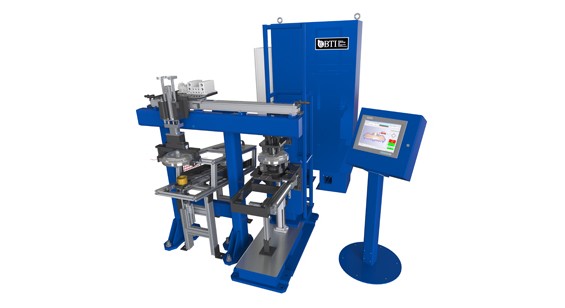
Combination Machine Featuring Dimensional Gaging
Fully-Automatic Combination Machine Featuring Dimensional Gaging and Surface Roughness Measurement of Torque Converter Assemblies
View More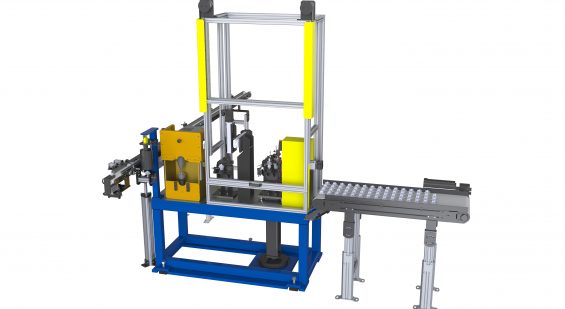
Compressor Wheel Cell Gaging & Surface Detection
Fully Automatic Turbo Charger Compressor Wheel Cell Featuring Dimensional Gaging, Eddy Current Surface Defect Detection, 2D Laser Marking and Conveyance
View More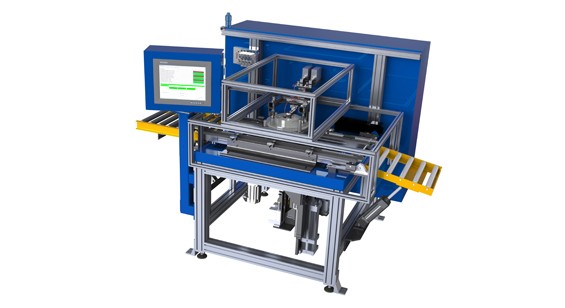
Crack Detection Brake Rotors System
Fully-Automatic Eddy Current Crack Detection System for Brake Rotors
View More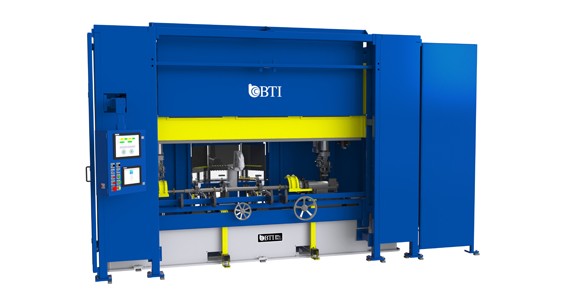
Driveshaft Balancer with Automatic Spot Weld Correction
Fully Automatic 1, 2, and 3 Piece Driveshaft Balancer with Automatic Spot Weld Correction via Magazine Feed Weights, featuring Auto Guard Doors, 5-Plane Balance...
View More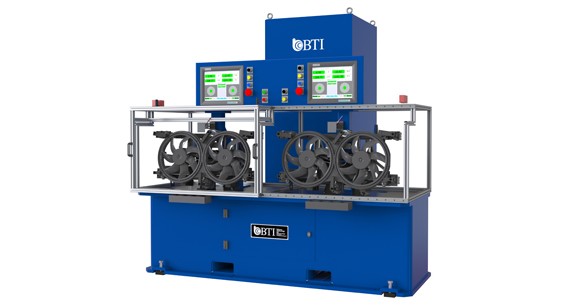
Dual Engine Fan Balancer
Two Station Dual Engine Cooling Fan Balancer Featuring Advanced Blade Counting, Speed and Direction Verification System and Electrical Motor & PWM Function Tests
View More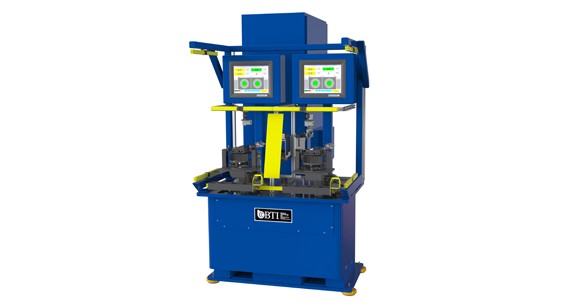
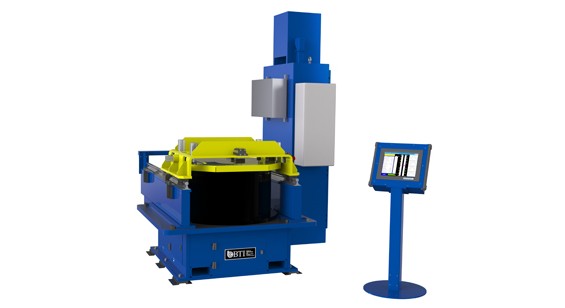
Durability Tester for Grinding Wheels
Semi-Automatic High Speed Durability Tester for Grinding Wheels
View More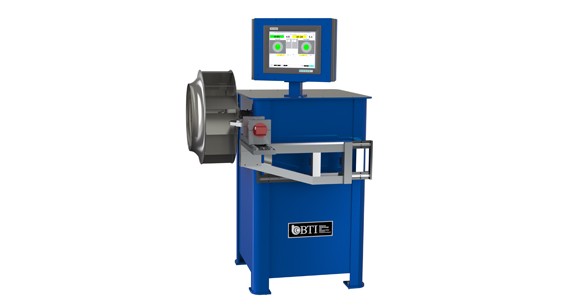
Dynamic Aluminum Fan Balancer with Automatic Rivet Correction
Dynamic Aluminum Fan Balancer with Automatic Rivet Correction
View More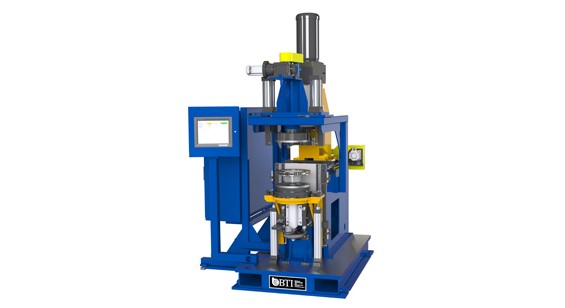
Dynamic Brake Rotor Balancer
Semi-Automatic Single Station Dynamic Brake Rotor Balancer with Automatic Mill Correction
View More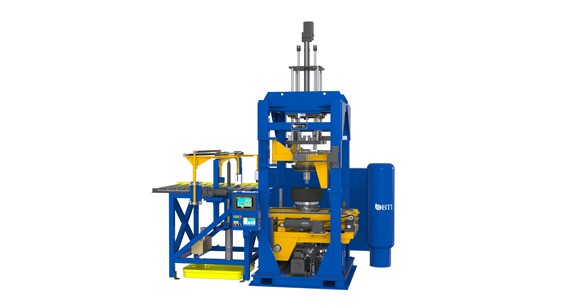
Dynamic Tire Inflator Balancer with Bead Lubrication
Fully Automatic Dynamic Tire Inflator Balancer with Bead Lubrication, Laser Gaging, and Ink Stamp Marking
View More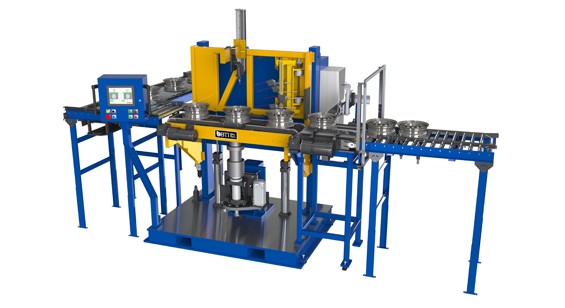
Dynamic Wheel Combination Machine
Fully Automatic Dynamic Wheel Combination Machine featuring Part Identification, Axial and Radial Laser Gaging, and Balance Audit with Orient and Mark
View More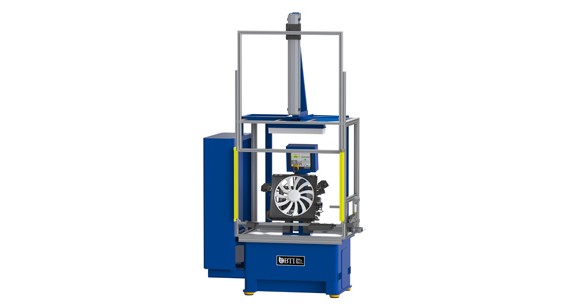
Engine Cooling Fan Module Balancer and Motor Tester
Engine Cooling Fan Module Balancer and Motor Tester
View More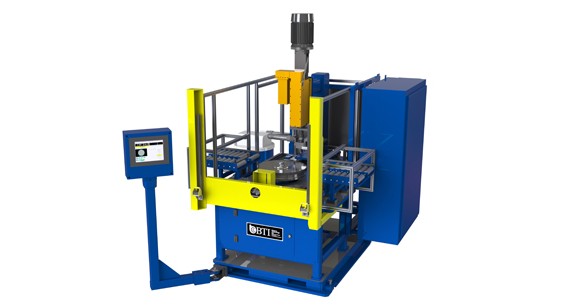
Flywheel Balancer with Automatic Drill Correction
Semi-Automatic Flywheel Balancer with Automatic Drill Correction, Ring Gear Sensor, and Load Assist Elevator
View More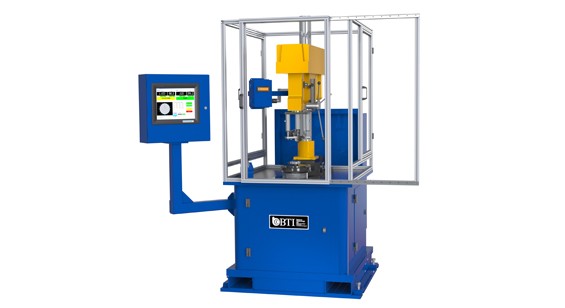
Flywheel Balancer with Manual Drill Correction
Flywheel Balancer with Manual Drill Correction Featuring Drill Depth Readout
View More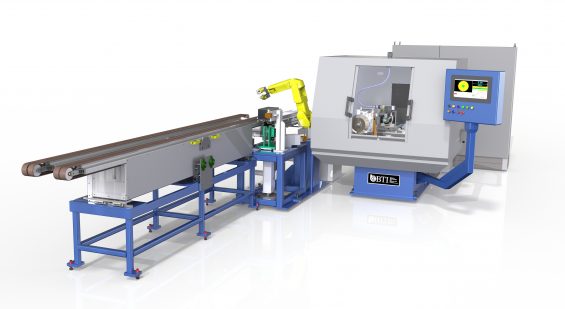
Shaft & Wheel Balancer, Laser Mapping & CBN Grinding
Full Automatic Shaft & Wheel Balancer with Laser Mapping, CBN Grinding, High Pressure Coolant, Ultra-Sonic Part Contact Sensor, Conveyance & Robot Load/Unload
View More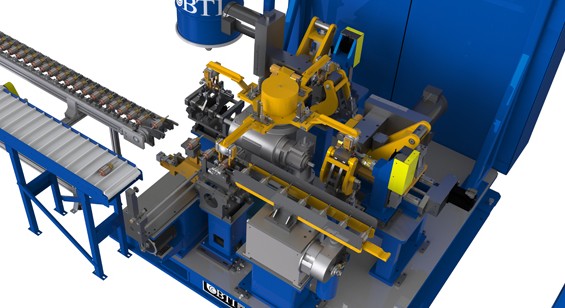
Fully Automatic 5-Station Armature Balancer with 2 Plane Contour
6-Second (600 part per hour) Fully Automatic 5-Station Armature Balancer with 2 Plane Contour or V-Cut Mill Correction
View More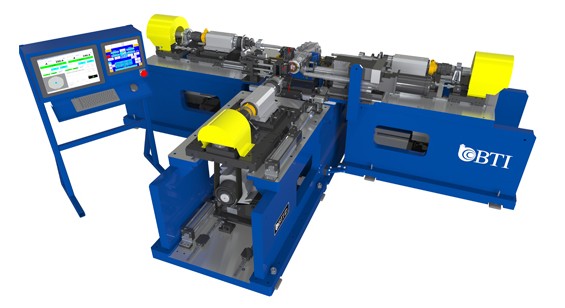
Fully Automatic RDM Balancer and NVH Combination
Fully Automatic RDM Balancer and NVH Combination featuring Drill Correction, Laser Gaging, Drive Shaft Hung Mass Simulation, and Advanced Clutch Conditioning Technology
View More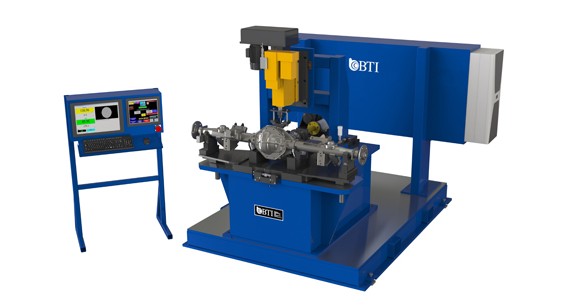
Rear Axle Balancer with Automatic Drill Correction
Fully Automatic Rear Axle Balancer featuring Automatic Drill Correction, Part Marking, and RFID Traceability
View More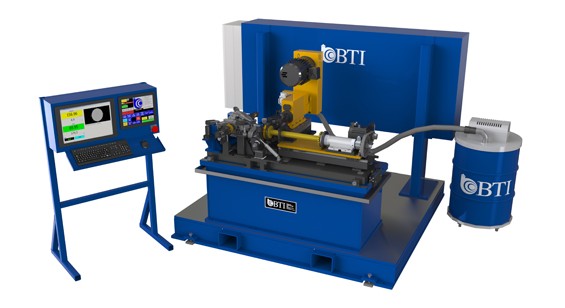
Fully Automatic Rear Drive Module Balancer
Fully Automatic Rear Drive Module Balancer Featuring Automatic Drill Correction, Part Marking, and RFID Traceability
View More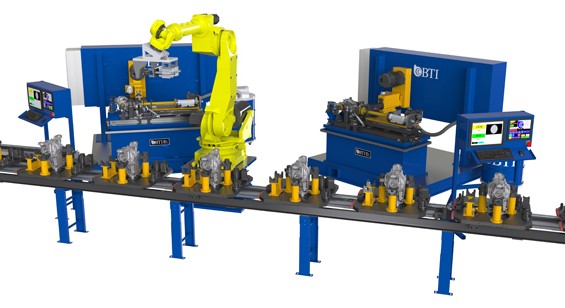
Fully Automatic Rear Drive Module Cell featuring Two Drill Correction Balancers
Fully Automatic Rear Drive Module Cell featuring Two Drill Correction Balancers, Robot with Dual End Effectors, Palletized Part Conveyance, Master Part Housing Stations, Part...
View More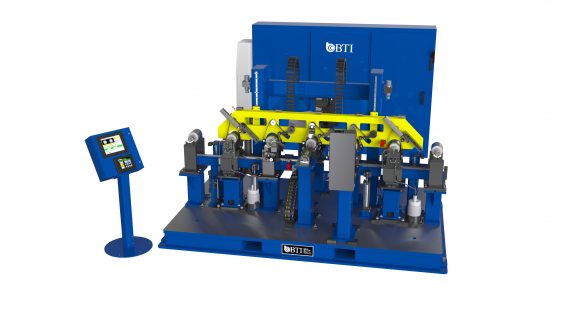
Fully Automatic Six Station Induction & Permanent Magnet Electric Motor Ro...
Fully Automatic Six Station Induction & permanent Magnet Electric Motor Rotor Balancer Featuring Overhead Belt Drive System, Two Drill Correction Stations, Chip Containment and...
View More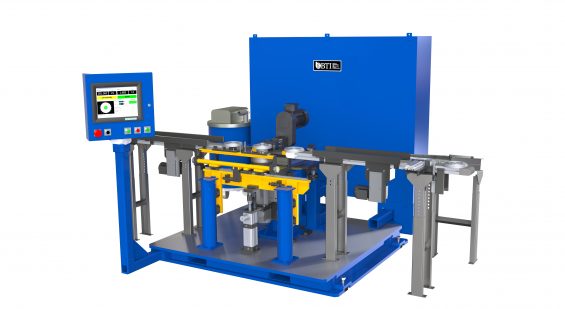
Fully Automatic Stator Balancer with Mill Correction and Walking-Beam Transfer
Fully Automatic Stator Balancer with Mill Correction and Walking-Beam Transfer
View More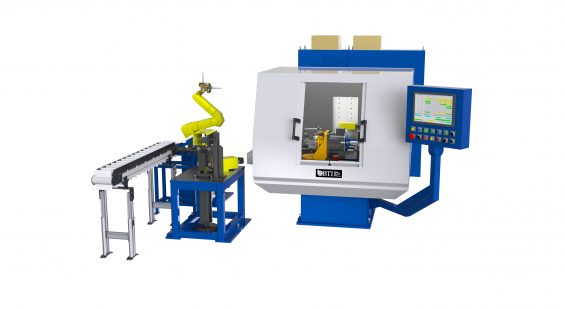
Fully Automatic Turbo Charger Shaft & Wheel Cell
Fully Automatic Turbo Charger Shaft & Wheel Cell Featuring Automatic 2-Plane CBN Wet Grind Correction, Dimensional Gaging, Robotic Part Handling, and Conveyance
View More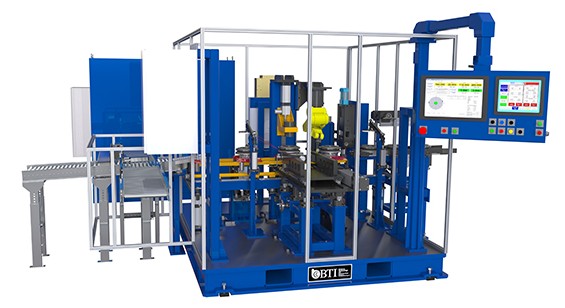
5-Station Turbine Damper Assembly Balancer
Fully-Automatic 5-Station Turbine Damper Assembly Balancer with Automatic Variable & Fixed Length Weight Making, Featuring Projection Weld Correction and Part Sorting
View More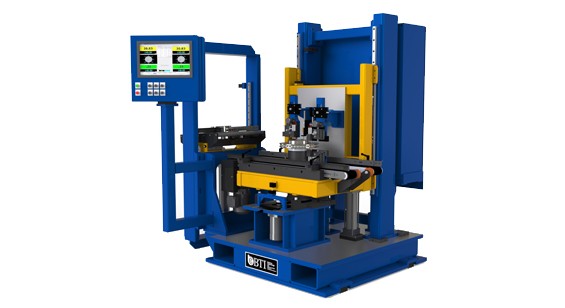
Fully-Automatic Brake Rotor Combination Bore & Multi-Attribute Gage
Fully-Automatic Brake Rotor Combination Bore & Multi-Attribute Gage Featuring Temperature Compensation and Auto Feedback to Upstream Machining Operations
View More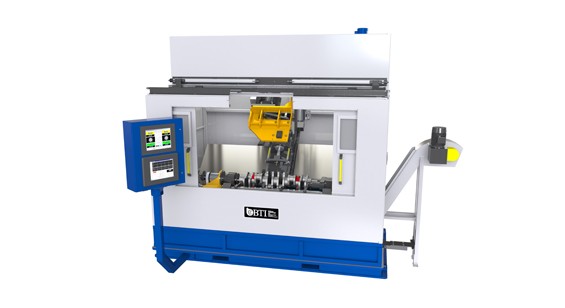
Crankshaft Balancer, Spindle Drill & Gantry Load
Fully-Automatic Crankshaft Balancer with High Pressure Coolant Through The Spindle Drill Correction and Overhead Gantry Load
View More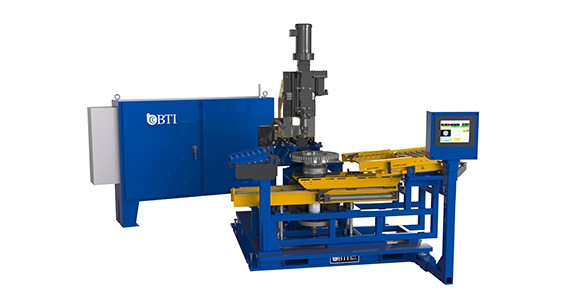
Fully-Automatic Heavy Duty Flywheel Balancer with Automatic Drill Correction and...
Fully-Automatic Heavy Duty Flywheel Balancer with Automatic Drill Correction and Load/Unload Assist Elevator
View More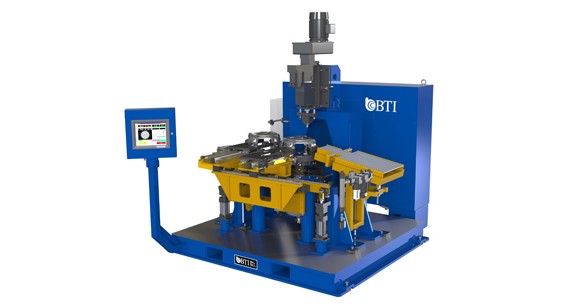
Fully-Automatic Large Clutch Housing Balancer with Automatic Drill Correction
Fully-Automatic Large Clutch Housing Balancer with Automatic Drill Correction
View More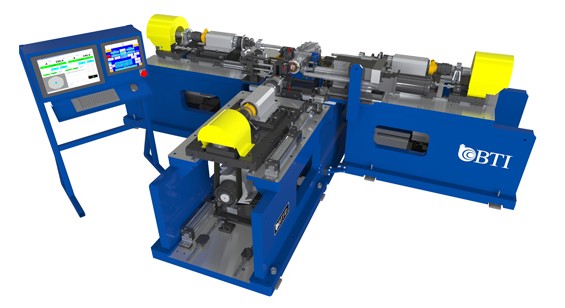
RDM Balancer & NVH Combination w/ Drill Correction
Fully-Automatic RDM Balancer & NVH Combination. Featuring Drill Correction, Laser Gaging, Drive Shaft Hung Mass Simulation and Advanced Clutch Conditioning Technology
View More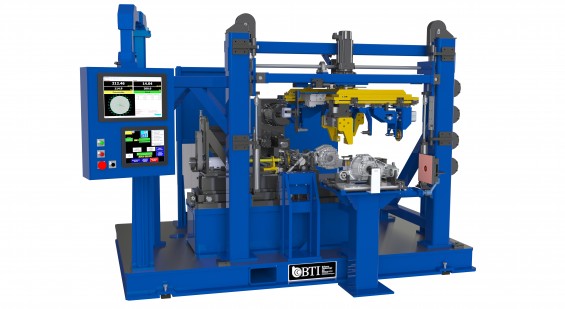
Fully-Automatic RDM Balancer Featuring Automatic Mill or Drill Correction
Fully-Automatic RDM Balancer Featuring Automatic Mill or Drill Correction, 180 Degree Rotary Load/Unload Station, Vision System to Detect Part Orientation, Part ID Scanner &...
View More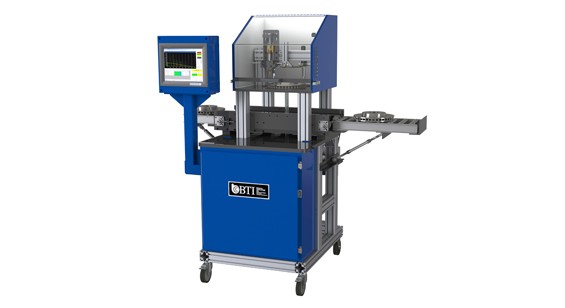
Fully-Automatic Resonant Frequency Measurement Station
Fully-Automatic Resonant Frequency Measurement Station
View More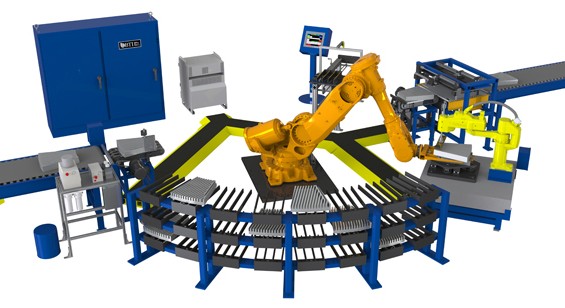
Fully-Automatic Refiner Plate Cell
Fully-Automatic Refiner Plate Cell Featuring Gaging and C.G. Measurement of Individual Plates for Predictive Balance Optimization when Assembled Per the Cell’s Advanced Sequencing and...
View More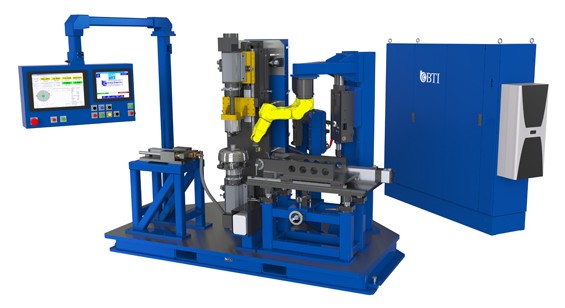
Single Station Torque Convertor Balancer
Fully-Automatic Single Station Torque Convertor Assembly Balancer with Automatic Variable and Fixed Length Weight Making and Weld Correction. Featuring Dual Motorized Spindles for Low...
View More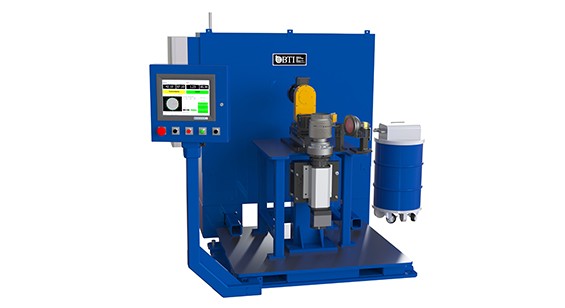
Transmission Clutch Housing Balancer, Drill Correction
Fully-Automatic Transmission Clutch Housing Balancer with Automatic Radial Drill Correction and Chip Containment System
View More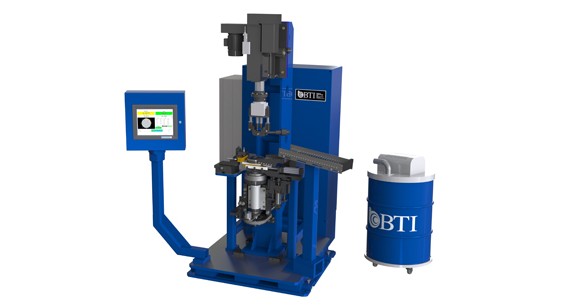
Harmonic Vibration Damper Balancer
Semi-Automatic Harmonic Vibration Damper Balancer with Automatic Servo Drill Correction, Featuring V-groove Dimensional Gaging, Auto Unload and Chip Containment
View More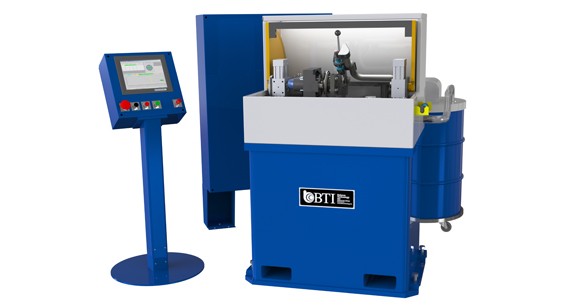
High Speed Assembly Balancer for Automotive Industry
Automatic High Speed Turbo Charger CHRA Core Assembly Balancer with Touch Up Grinder, Oil Pumping with Flow & Temperature Monitoring […]
View More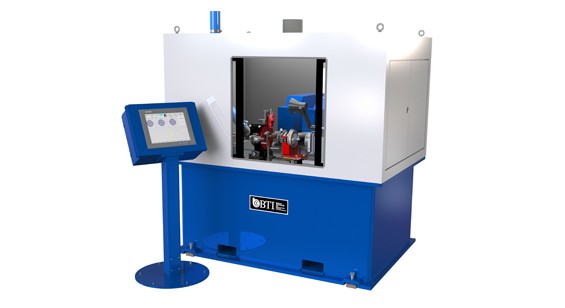
High Speed Turbo Charger Core Assembly 2 Plane Balancer
300,000 rpm High Speed Turbo Charger Core Assembly 2 Plane Balancer with Automatic Mill and Drill Correction, Featuring Pulsation Measurement, “G” Measurement, RPM sweep,...
View More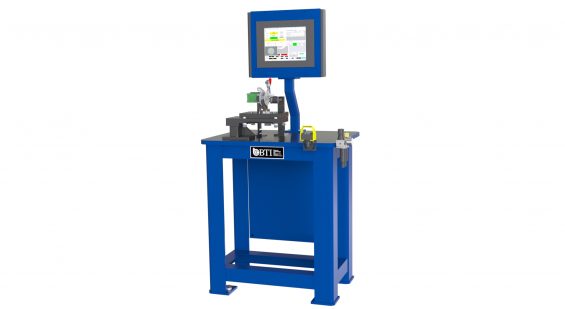
Horizontal Healthcare Fan / Blower Assembly Balancer
Horizontal Healthcare Fan / Blower Assembly Balancer with Programable Power Supply and Quick Connect Wire Harness.
View More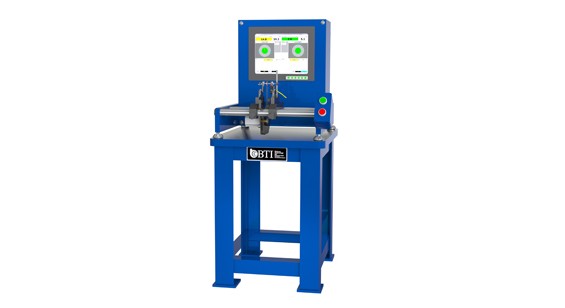
Horizontal Speedometer/Tachometer Needle Balancer
Horizontal Speedometer/Tachometer Needle Balancer
View More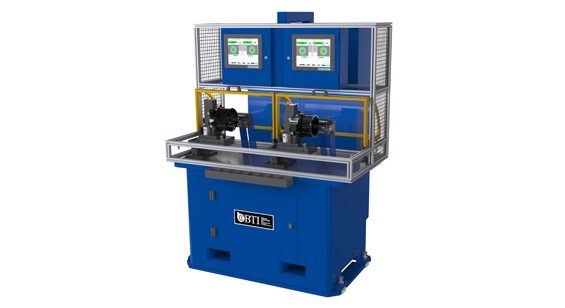
HVAC Fan Module Balancer and Motor Testing
Dual Station HVAC Fan Module Balancer Featuring Blade Counting, Motor Testing and Segmented Weight Correction
View More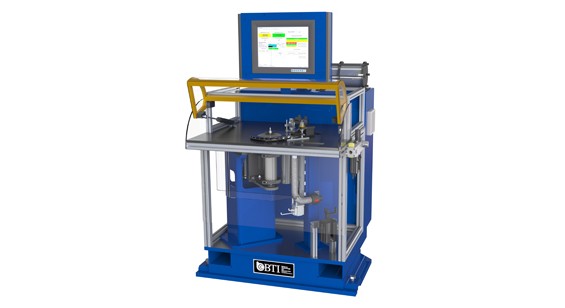
Impeller Balancer with Automatic Mill correction and Laser Gaging of Axial Run-O...
Impeller Balancer with Automatic Mill correction and Laser Gaging of Axial Run-Out
View More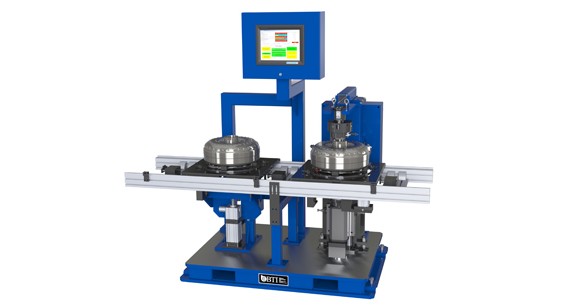
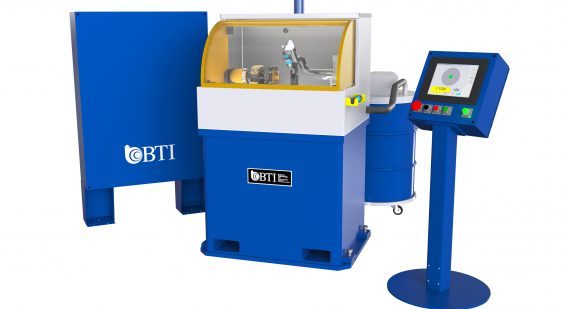
Low- and High-Speed Turbo Charger Core Assembly 2 Plane Balancer
4,000 to 300,000 rpm Low- and High-Speed Turbo Charger Core Assembly 2 Plane Balancer with Touch-Up Grinder, featuring Pulsation Measurement, “G” Measurement, and Oil...
View More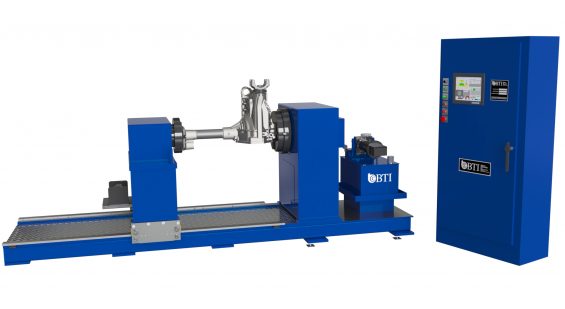
Manual Torsional Test Stand for Front Axle Assemblies.
Manual Torsional Test Stand for Front Axle Assemblies.
View More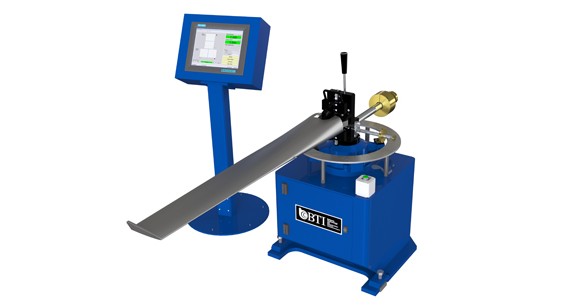
Moment Balancer for Helicopter Blades and Propellers
Moment Balancer for Helicopter Blades and Propellers
View More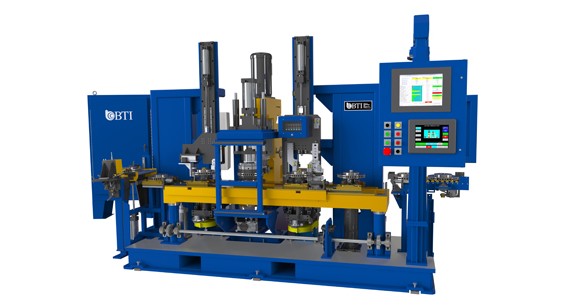
Multi-Station Combination Brake Rotor Machine
Fully Automatic Multi-Station Combination Brake Rotor Machine featuring Balancing with Mill Correction, Dimensional Gaging, Surface Finish Measurement, Eddy Current Crack Detection, and Part Marking
View More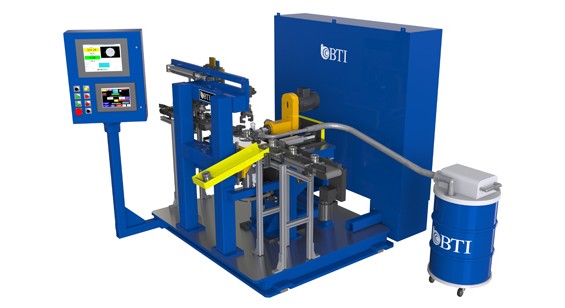
Multi-Station Flange Balancer with Correction Mill
Multi-Station Flange Balancer with Correction Mill
View More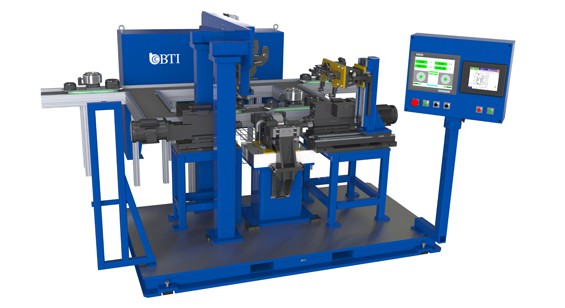
Multi-Station Magnetized Electric Armature Balancer
Fully Automatic Multi-Station Magnetized Electric Armature Balancer featuring Palletized Part Conveyance, Dual-Axial Drill Correction, and Heavy Spot Ink Marking
View More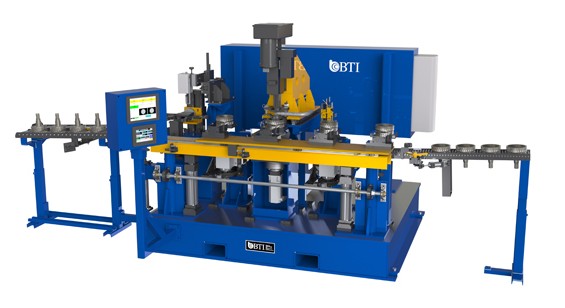
Multi-Station Transmission Carrier Combination Machine
Fully Automatic Multi-Station Transmission Carrier Combination Machine featuring Dimensional Gaging, Balancing with Automatic Drill Correction, Part Orientation Flipper, and Pin Stamp Marker
View More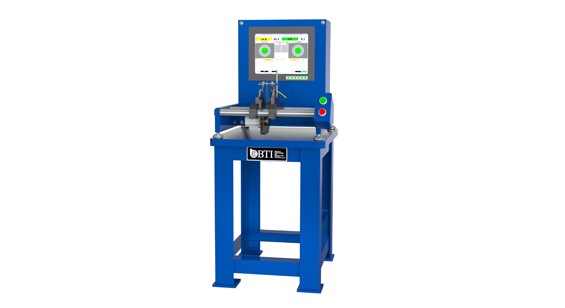
PC Cooling Fan Module Assembly Balancer with Motor Testing
PC Cooling Fan Module Assembly Balancer with Motor Testing
View More
Rear Axle Cell featuring Two Drill Correction Balancers
Fully Automatic Rear Axle Cell featuring Two Drill Correction Balancers, Two Robots, Palletized Part Conveyance, Master Part Housing Stations, Part Marking, and RFID Traceability
View More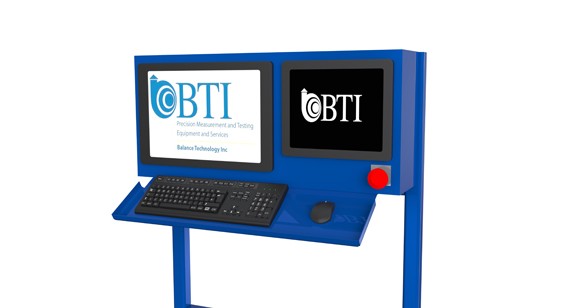
Replacement PC’s & PLC’s for all Brands and Models
Replacement PC’s & PLC’s for all Brands and Models
View More
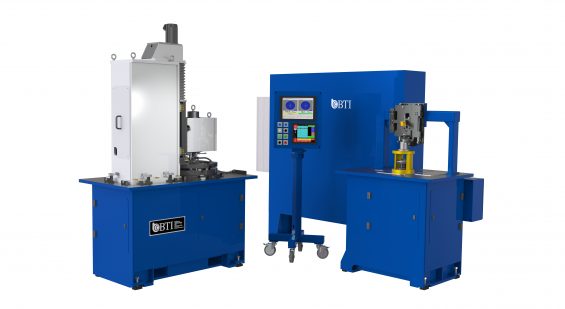
Semi Automatic Two Station Turbine Wheel Mass Center and Audit Machine
Semi Automatic Two Station Turbine Wheel Mass Center and Audit Machine
View More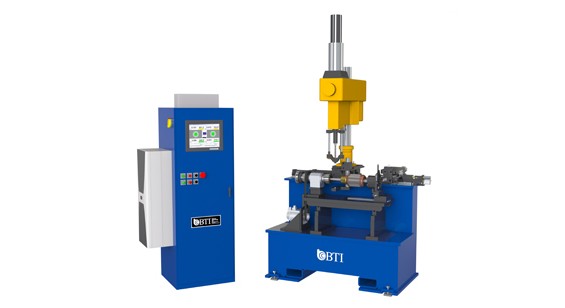
Semi-Automatic Armature Balancer, Drill Correction
Semi-Automatic Armature Balancer with Automatic Drill Correction and Automatic Servo-Controlled Commutator Lathe
View More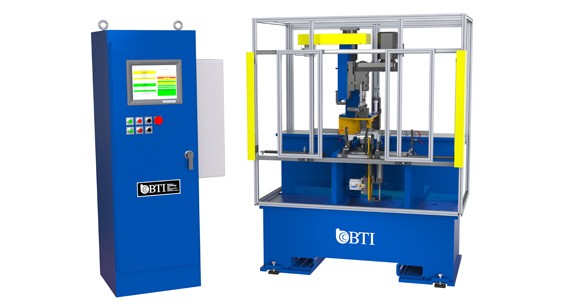
Semi-Automatic Clutch Housing Balancer with Automatic Drill Correction and Chip ...
Semi-Automatic Clutch Housing Balancer with Automatic Drill Correction and Chip Containment
View More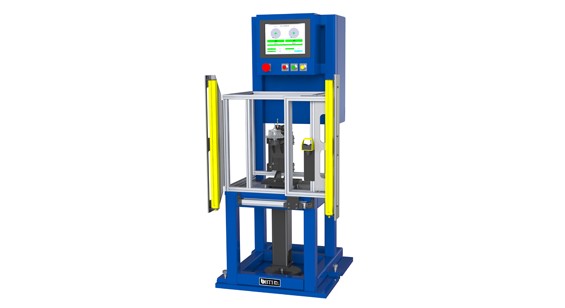
Semi-Automatic Compressor Wheel Air Bearing Audit Station
Semi-Automatic Compressor Wheel Air Bearing Audit Station Featuring Servo Controlled Whisper Drive Technology
View More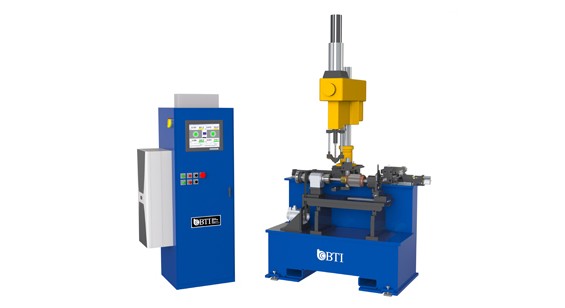
Semi-Automatic Crankshaft Balancer, Hook End Drive
Semi-Automatic Crankshaft Balancer Featuring Hook End Drive, Automatic Drill Correction, Paint Marker and Chip Containment System
View More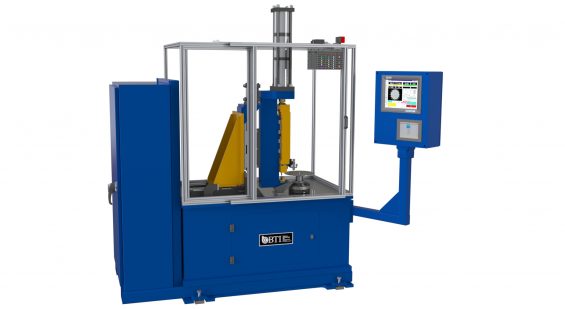
Semi-Automatic Drive Plate Balancer with Punch Correction and Slug Containment.
Semi-Automatic Drive Plate Balancer with Punch Correction and Slug Containment.
View More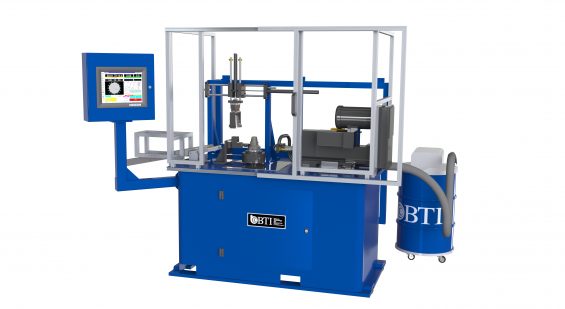
Semi-Automatic Flange Balancer with Mill Correction and Auto-Unload.
Semi-Automatic Flange Balancer with Mill Correction and Auto-Unload.
View More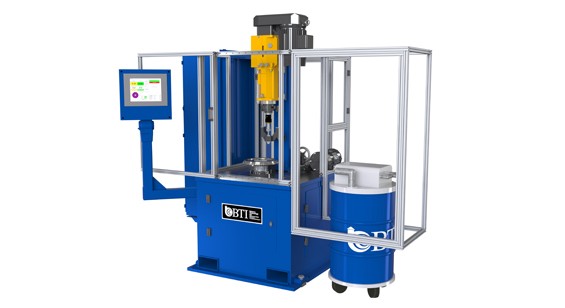
Semi-Automatic Flywheel Balancer with Automatic Drill Correction
Semi-Automatic Flywheel Balancer with Automatic Drill Correction
View More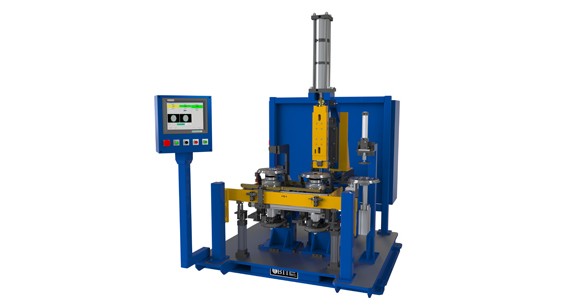
Semi-Automatic Flywheel Balancer
Semi-Automatic Flywheel Balancer with Automatic Pierce Correction, Slug Collection System, Pin Stamp Marking, Radial & Axial Dimensional Gaging
View More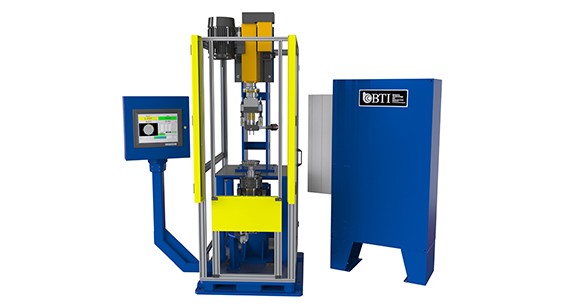
Semi-Automatic Harmonic Damper Balancer with Automatic Dual Drill Correction
Semi-Automatic Harmonic Damper Balancer with Automatic Dual Drill Correction and Vacuum Chip Removal
View More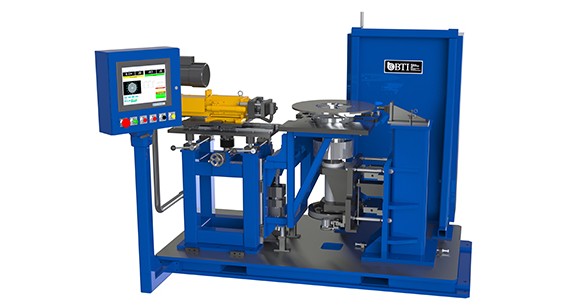
Semi-Automatic Heavy Duty Unvented Brake Rotor Balancer
Semi-Automatic Heavy Duty Unvented Brake Rotor Balancer with Automatic Radial Drill Correction and Load/Unload Assist Elevator
View More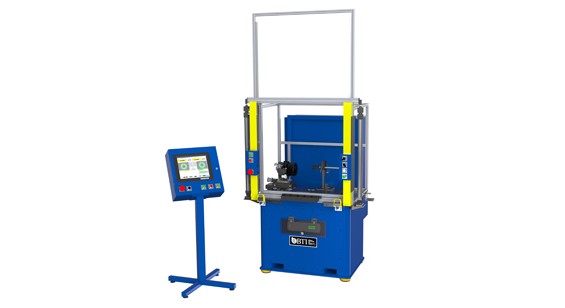
Semi-Automatic HVAC Fan Module Balancer
Semi-Automatic HVAC Fan Module Balancer Featuring Quick Disconnect Tooling for Multiple Part Models, Blade Counting, Motor Testing and Segmented Weight Correction
View More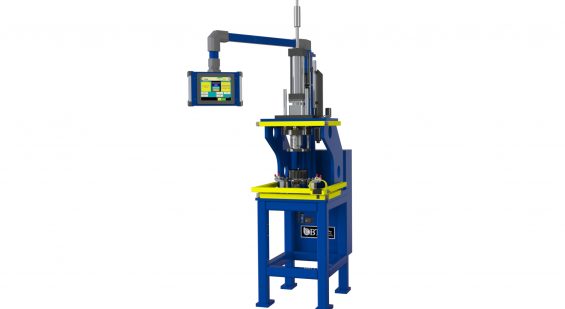
Semi-Automatic HVAC Fan Wheel / Motor Press Station. Capable of Pressing to both...
Semi-Automatic HVAC Fan Wheel / Motor Press Station. Capable of Pressing to both a Force and a Distance.
View More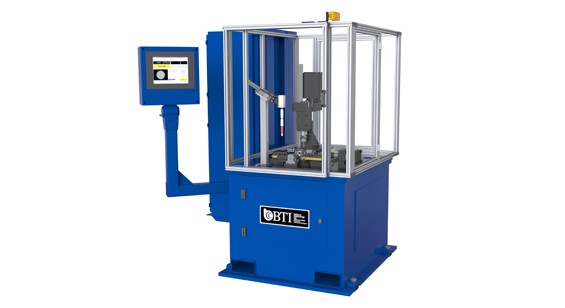
Semi-Automatic Reaction Carrier Balancer with Automatic Mill Correction and Part...
Semi-Automatic Reaction Carrier Balancer with Automatic Mill Correction and Part Marking
View More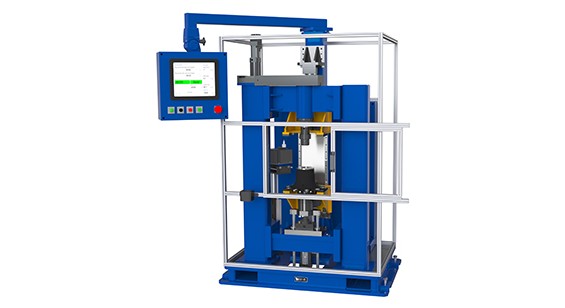
Semi-Automatic Rear Brake Hub Dynamic Axial Endplay and Bore Gage
Semi-Automatic Rear Brake Hub Dynamic Axial Endplay and Bore Gage
View More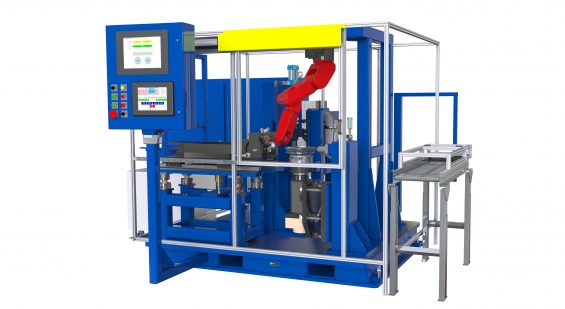
Semi-Auto Single Station Torsional Damper Balancer
Semi-Automatic Single Station Dynamic Torsional Damper Balancer with Automatic Projection Weld Correction
View More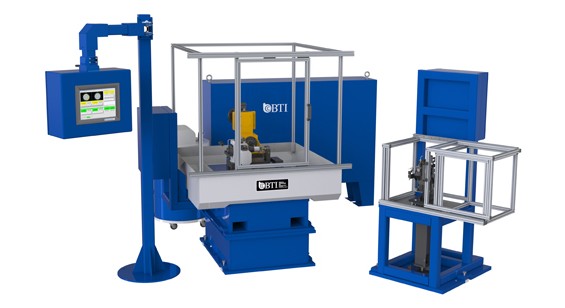
Semi-Automatic Turbo Charger Compressor Wheel Balance
Semi-Automatic Turbo Charger Compressor Wheel Balance Cell Featuring Air-Bearing Measurement Technology and Automatic Mill Correction
View More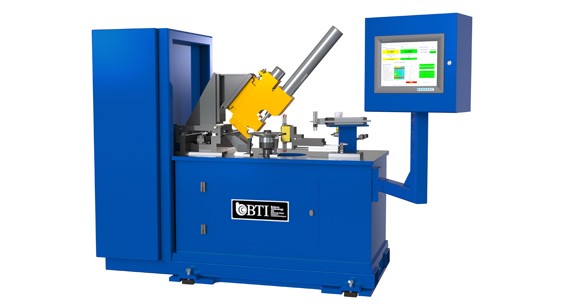
Semi-Automatic Torsional Machine Featuring
Semi-Automatic Torsional Damper Combination Machine Featuring Balancing with Automatic Pierce Correction, Dimensional Gaging, Part Marking, Rivet and Disallowed Area Sensing
View More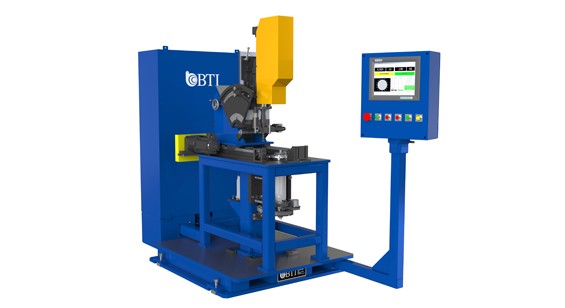
Semi-Automatic X-Ray Target Balancer
Semi-Automatic X-Ray Target Balancer with Automatic Servo Drill Correction Featuring Automatic Drill Changeover to Accommodate a Wide Varity of Parts without Operator Intervention
View More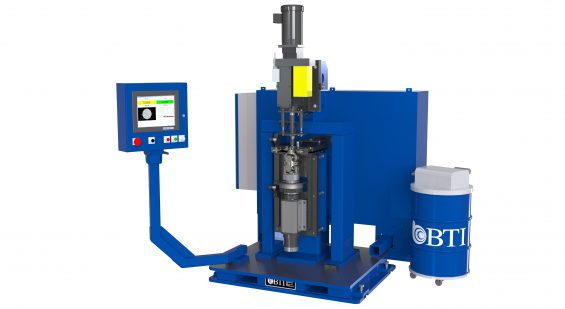
Semi-Automatic Yoke Assembly Balancer
Semi-Automatic Yoke Assembly Balancer with Drill Correction and Chip Containment
View More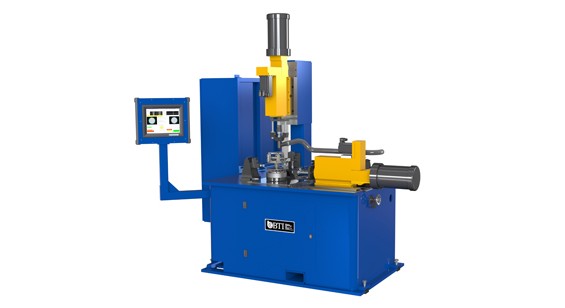
Snowmobile Clutch Balancer
Semi-Automatic Snowmobile Clutch Balancer with Automatic Axial & Radial Drill Correction
View More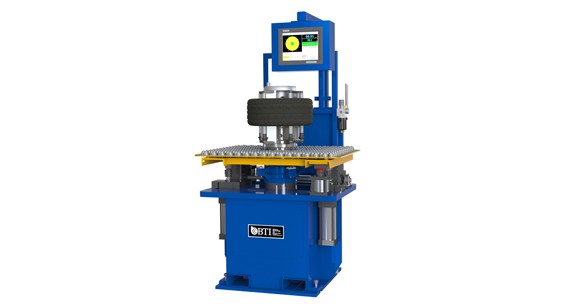
Static Aircraft Tire Balancer with Load Assist Elevator
Static Aircraft Tire Balancer with Load Assist Elevator
View More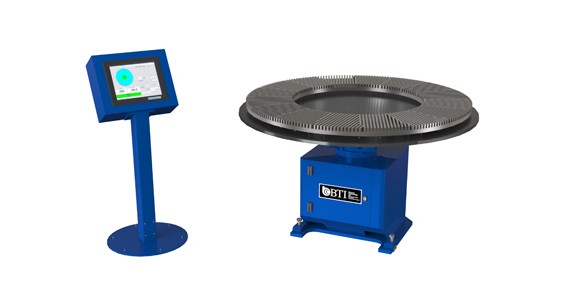
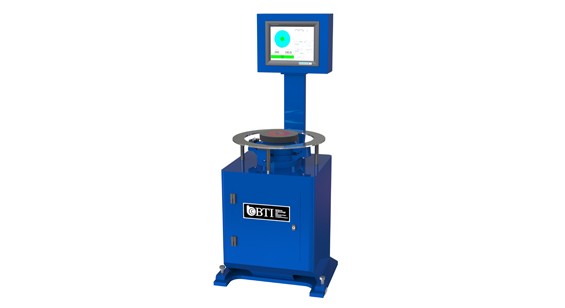
Static Grinding Wheel Audit Station with Pneumatic Tooling
Static Grinding Wheel Audit Station with Pneumatic Tooling
View More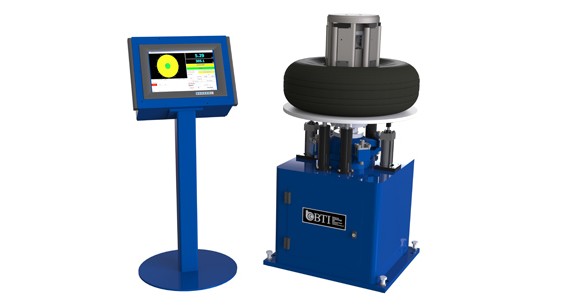
Static Tire Balancer with Pneumatic Paddle Style Tooling and Load Assist Elevato...
Static Tire Balancer with Pneumatic Paddle Style Tooling and Load Assist Elevator
View More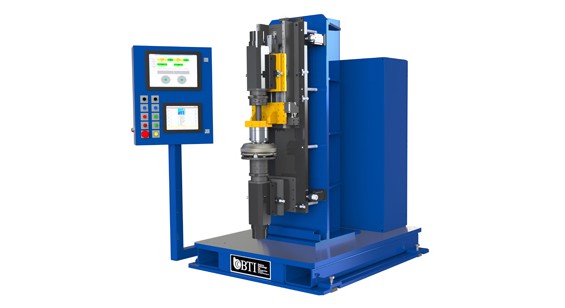
Torque Convertor Measure Station
Torque Convertor Measure Station Featuring Dual Motorized Spindles with Multiple Measurement Techniques (Static Internal, 180 Flip and Differential Measurement)
View More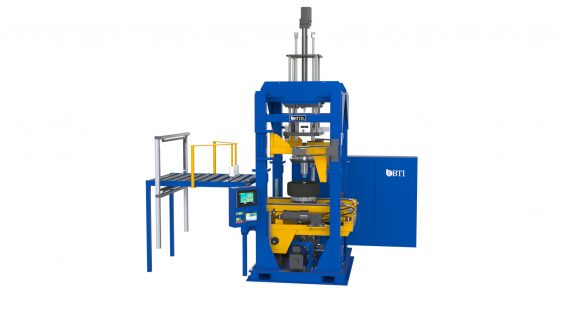
Truck Tire Inflator Balancer
Large Dynamic Truck Tire Inflator Balancer Featuring Radial & Lateral Laser Runout, Bead Lubrication, Load/Unload Elevator & Hot Stamp Unbalance Marking System.
View More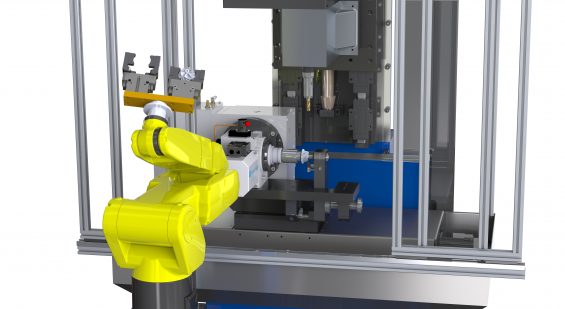
Turbo Charger Compressor Wheel Balancer
Fully Automatic Turbo Charger Compressor Wheel Balancer with 2-Plane BTI Mill Correction Station Featuring Robotic Part handling
View MoreGet Started
Get in touch with us. We're here to assist you.
Connect with our measurement experts and get the technical guidance your application demands.