









Balance Technology Inc. has built balancing machines and measurement systems since 1968, for any industry with something that rotates and has to run smoothly. The part changes from one industry to the next. The physics does not.
BTI has engineered solutions for parts weighing under a pound and for parts weighing more than 200,000 lb, at low speed and at service speed, to balance grades set by the customer’s own part design.
Industries BTI Serves
| Industry | Typical components |
|---|---|
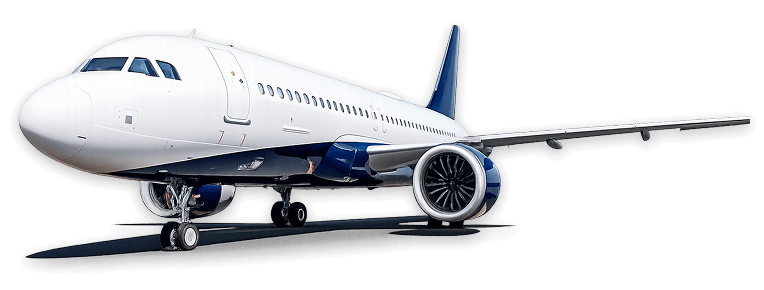
| Aviation & Aerospace | Turbine rotors and discs, shafts, blades and blisks, propellers, APUs |
| Automotive | Crankshafts, driveshafts, brake rotors, torque converters, turbochargers, EV motor rotors |
| Machine Tool | Spindles, tool holders, grinding wheels, spindle motor rotors |
| Energy & Power Generation | Generator and exciter rotors, turbine rotors and discs, ID and FD fans |
| Oil & Gas | Pump impellers, centrifugal compressor wheels, turbo-machinery shafts |
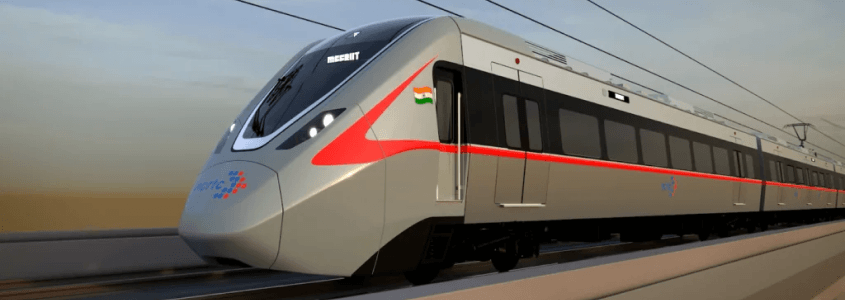
| Rail | Traction motor rotors, cardan shafts, brake discs, cooling fans |
| Marine | Propellers and blades, propeller shafts, pump impellers, turbochargers |
| HVAC | Centrifugal and axial fan wheels, blower assemblies, motor-fan modules |
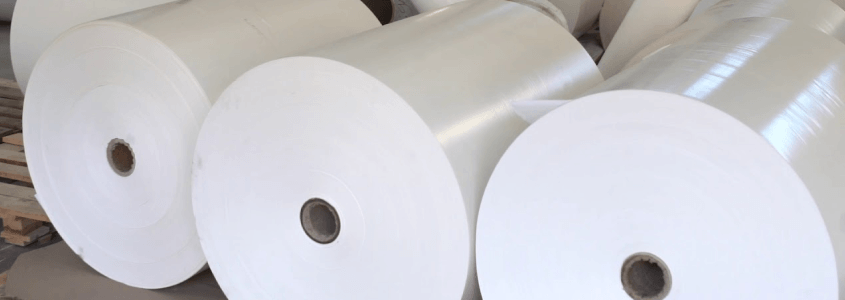
| Pulp & Paper | Refiner plates, paper machine rolls, process fans, pump impellers |
| Military | Defense rotating equipment and ground support |
| Medical | Precision rotating assemblies for medical equipment |
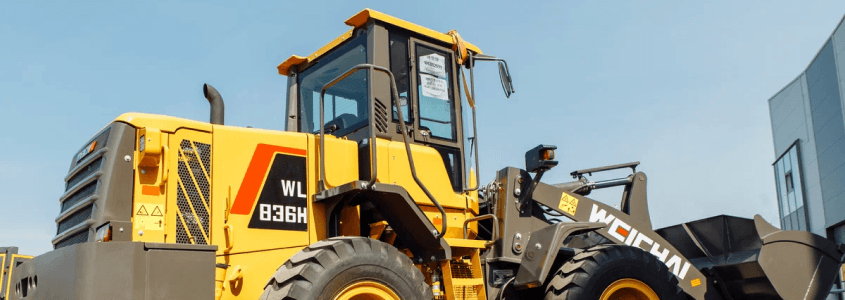
| Off-Road Vehicles | Driveline and engine components for off-highway machines |
| Industrial Truck | Driveline, motor and wheel components for material handling |
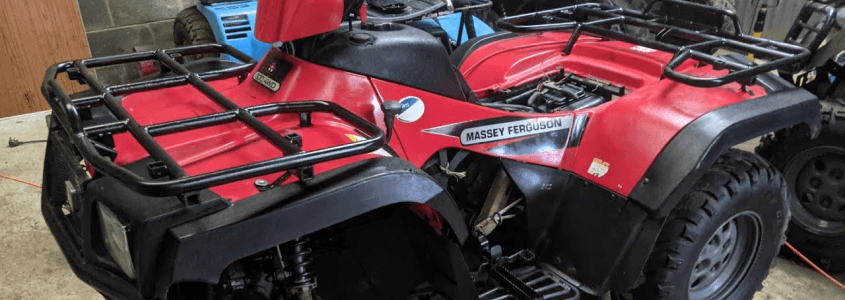
| Recreational Vehicles | Powersports and recreational driveline components |
| Household Appliances & Power Tools | Motor armatures, fans and rotating assemblies |
| Computers | Hard drives, head readers and small high-speed rotors |
| Other Industries | Anything rotating that has to run smoothly |
Two Ways to Buy, in Every Industry
Across all of these markets, balancing equipment is bought in two quite different ways, and BTI builds for both.
Configured-to-order. A production program needs a machine configured for one part family, integrated into the line, holding a balance tolerance at takt time for years. That work starts from a proven BTI platform and the part print: the part is reviewed, tooling is concepted, and the platform is configured around it.
Standard models. A repair, remanufacturing or aftermarket shop needs a capable machine that covers a range of parts rather than one part perfectly. That work starts from a model number, quoted from BTI’s standard range and built to a defined configuration.
Neither is a downgrade of the other. They answer different questions, and the right one depends on whether the buyer is optimising for a single part or for range.
What Stays the Same Across Industries
Whatever the industry, three things carry across every BTI machine.
Platform and class. BTI machines are built on four platforms — VNR (vertical non-rotator), H (horizontal cradle), VR (vertical rotator) and P (platform suspension) — plus tool holder balancers, spinners and test stands. A designation such as P-5 names the platform and its class. The number is a class, not a part weight limit. See BTI machine platforms.
Sizing from tooling plus part. A machine is sized to the tooling and the part together, not the part alone, and tooling is not specified until the part prints are reviewed.
The same standard. Balance tolerances are set by ISO 21940-11, which superseded ISO 1940-1, and BTI certifies to ISO 21940, SAE International balancing specifications and DIN specifications. Work out a tolerance with the ISO balance tolerance calculator.
Frequently Asked Questions
Does BTI only build machines for the industries listed?
No. The industry pages describe where BTI has built the most equipment, not a limit on what it will quote. If a part rotates and has a balance requirement, it is worth a conversation regardless of the industry label.
Does the industry change which machine BTI recommends?
Less than the part does. Platform follows the part geometry and how it has to be held; class follows the tooling-plus-part weight. Industry mainly changes the balance tolerance and how the machine has to integrate with the rest of the line.
Can one machine serve more than one industry?
Frequently. A shop balancing electric motor rotors does much the same work whether those rotors go into rail traction, HVAC or industrial equipment. Range within a class is what makes that possible.
What information does BTI need to quote?
The part print, the part weight, the service speed, the balance tolerance if one is specified, and the required production rate.
Get Started
Get in touch with us. We're here to assist you.
Connect with our measurement experts and get the technical guidance your application demands.